
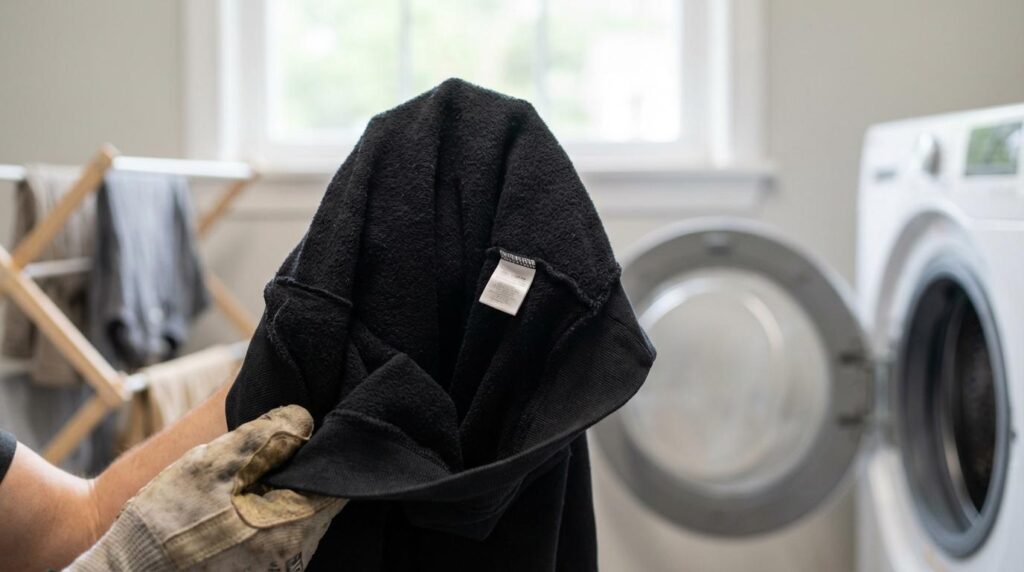
A Stüssy hoodie is rarely just another layer. It tends to become the piece you reach for on cool mornings, late evenings, and days when comfort still needs to look sharp. That is exactly why proper care matters. A good wash routine keeps the fabric soft, the shape clean, and the graphic or logo looking fresh instead of tired.
Many people damage hoodies without realising it. Hot water, harsh detergent, rough drying, and over-washing can dull colour surprisingly fast. The good news is that keeping a hoodie in strong condition is not difficult. It simply takes a few better habits.
Why hoodies fade sooner than expected
Fading is usually not caused by one dramatic mistake. More often, it comes from repeated small things that slowly wear the garment down. Heat strips colour. Friction roughs up the surface. Strong chemicals weaken fibres and prints. Even a wash cycle that feels normal for towels or gym wear can be too aggressive for a premium streetwear hoodie.
Printed graphics need extra care. Screen prints, back logos, chest marks, and limited-edition artwork can crack or lose intensity when exposed to too much heat and too much rubbing. If the hoodie has embroidery, the surrounding fabric can still fade even when the stitching stays bright.
Heavy cotton fleece is durable, though that does not make it indestructible. Quality hoodies are built to last, but they still reward a gentler approach. Treating them well means they keep that clean, relaxed silhouette that makes them so easy to wear.
Start with the label, not your habit
Before the first wash, check the care label inside the hoodie. Even if you have washed dozens of sweatshirts before, one piece may have a different fabric blend, dye treatment, or print finish. The label gives the safest starting point.
If you bought a hoodie because of its colour, fit, and standout branding, it makes sense to care for it according to the maker’s advice rather than guesswork. When the label and your usual routine clash, follow the label.
The most useful care symbols are simple once you know what they mean:
- Tub symbol: machine washable, often with a recommended temperature
- Hand in tub: hand wash only or handle with extra care
- Triangle with a cross: no bleach
- Square with a circle crossed out: do not tumble dry
- Iron symbol with dots: low, medium, or high ironing heat
- Circle: dry clean guidance, though most hoodies do not need it
The safest routine for regular washing
A careful wash begins before the hoodie goes anywhere near the drum. Empty the pockets, zip any zip fastenings if present, and turn the hoodie inside out. That last step matters more than many people think. It reduces direct friction on the outer surface and helps protect both colour and printed details.
It also helps to separate hoodies from rougher items. Washing a Stüssy hoodie with jeans, garments with metal hardware, or heavy towels creates needless abrasion. Soft items washed with soft items is usually the better move.
If you want a dependable routine that works for most cotton hoodies, use this order:
- Turn the hoodie inside out
- Wash with similar colours
- Choose a cold wash, or 30°C at most
- Use a gentle liquid detergent
- Select a delicate or low-agitation cycle
- Skip bleach and fabric softener
- Remove it promptly once the cycle ends
That routine is simple, but it goes a long way. Most fading comes from heat, friction, and chemical intensity, so reducing all three at once keeps the hoodie looking stronger for longer.
Water, detergent and cycle settings that work best
Cold water is the safest choice in most cases. It helps hold dye in the fabric and lowers the risk of shrinkage. If the hoodie is only lightly worn, cold water is more than enough to freshen it up. A warm wash is rarely necessary unless the care label specifically allows it and the garment genuinely needs a deeper clean.
Detergent choice matters too. Powder can sometimes leave residue on darker garments, especially in short or cool cycles. A mild liquid detergent usually rinses out more cleanly. Avoid anything marketed as heavy-duty, whitening, or stain-blasting unless you are treating a specific mark and you have tested the product first.
Here is a quick guide for the main settings:
| Care point | Best option | Why it helps |
|---|---|---|
| Water temperature | Cold or up to 30°C | Helps protect colour and limits shrinkage |
| Wash cycle | Delicate or gentle | Reduces friction and stress on seams |
| Spin speed | Low to medium | Prevents twisting and shape loss |
| Detergent | Mild liquid | Cleans without being too harsh |
| Bleach | Avoid | Can strip colour and damage prints |
| Fabric softener | Usually avoid | May coat fibres and affect texture |
| Wash load | Similar soft garments | Cuts down abrasion from rough fabrics |
Small adjustments here make a visible difference over time. Hoodies that are washed gently tend to keep their depth of colour and hold their shape much better through repeated wear.
Drying is where many hoodies get ruined
If washing causes slow wear, tumble drying often causes sudden wear. High heat can shrink cotton, harden prints, and leave ribbed cuffs less flexible than before. It may also set creases in awkward places and make the hoodie feel less substantial.
Air drying is usually the best route. Take the hoodie out while it is still slightly heavy with moisture, give it a gentle shake, and reshape it by hand. Smooth the sleeves, straighten the hem, and lay it flat on a drying rack if possible. Hanging is fine for some hoodies, though very wet heavyweight cotton can stretch under its own weight, especially around the shoulders.
Keep it away from direct radiators and strong sun. Heat from indoors can be just as unhelpful as heat from a tumble dryer, and prolonged sun exposure can fade darker colours. A well-ventilated room is ideal.
If you must use a dryer, use the lowest heat available and remove the hoodie while it is still a little damp. Finish it in the air. That is the safer compromise.
How often should you wash it?
Not every wear calls for a full wash. A hoodie worn over a T-shirt for a few hours may only need airing out. Washing too often shortens the life of any garment, even a well-made one.
A more measured rhythm keeps the hoodie in better condition and often makes it look newer for longer.
- After heavy wear or sweating
- After exposure to smoke or food odours
- When cuffs or collar show visible dirt
- After several light wears if it still smells fresh
This approach is especially useful for statement hoodies, darker shades, and pieces with bold graphics.
Dealing with stains without harming the fabric
Spot cleaning can save a hoodie from an unnecessary full wash. If you notice a mark early, blot it with a clean damp cloth instead of rubbing hard. Rubbing pushes the stain deeper into the fibres and can create a faded patch on the surface.
For most everyday marks, a small amount of mild detergent mixed with cool water is enough. Dab gently, let it sit for a few minutes, then blot again with clean water. Pat dry with a towel. If the stain remains, repeat the process rather than switching straight to a harsh remover.
Grease, coffee, and ink need more caution. Strong stain products can strip colour from dyed cotton, especially on black, navy, forest green, or washed vintage shades. Test any treatment on a hidden inside seam first. If the colour lifts there, do not use it on the visible area.
A printed logo or graphic needs even more care. Treat the fabric around it gently and avoid scrubbing directly across the print. Patience works better than force.
Ironing, steaming and bringing the shape back
Most hoodies do not need ironing if they are dried properly. A good shake and a careful reshape while damp will remove many creases before they set. That is the easiest method and the least risky.
If a hoodie does need tidying, use low heat and keep it inside out. Never press a hot iron directly onto a printed logo or graphic. Put a thin cotton cloth between the iron and the garment if needed. Steam can be a safer option for smoothing wrinkles, provided you keep some distance and avoid soaking the fabric.
This is also a useful moment to restore the fit. Straighten the hem, line up the side seams, and gently pull the cuffs and waistband back into place while the hoodie is still slightly damp. That quick reset helps maintain the original silhouette.
Storage is part of care too
A clean wash routine means less if the hoodie is then stored badly. Stuffing it into an overcrowded wardrobe can leave deep creases, flatten the hood, and distort the shoulders. A little space helps fabric recover between wears.
Heavy hoodies are often better folded than hung for long periods. Folding keeps the shoulders from stretching and prevents the garment from slipping off the hanger. If you do hang it, choose a broad, supportive hanger rather than a thin wire one.
Keep hoodies dry, cool, and away from strong sunlight near windows. Dust, heat, and light all chip away at freshness over time. If you rotate several pieces, folding them so each one is visible also reduces unnecessary rummaging, which means less pulling and snagging.
A few habits that make a real difference
Long-lasting streetwear care is mostly about consistency rather than effort. One careful wash will not fix months of rough treatment, though a simple routine repeated each time is very effective. The people whose hoodies always look sharp are rarely doing anything complicated. They are just avoiding the common mistakes.
A few habits are especially worth keeping:
- Inside out first: helps protect colour and surface prints
- Cool water only: lowers the risk of fading and shrinkage
- Gentle detergent: keeps fibres cleaner without harsh residue
- Air dry when possible: preserves shape, softness, and graphics
- Wash less often: reduces wear and keeps the fabric looking richer
A Stüssy hoodie tends to look best when it keeps a bit of its original weight, colour depth, and structure. Care that respects the fabric does exactly that, so each wear still feels as good as the first few.