
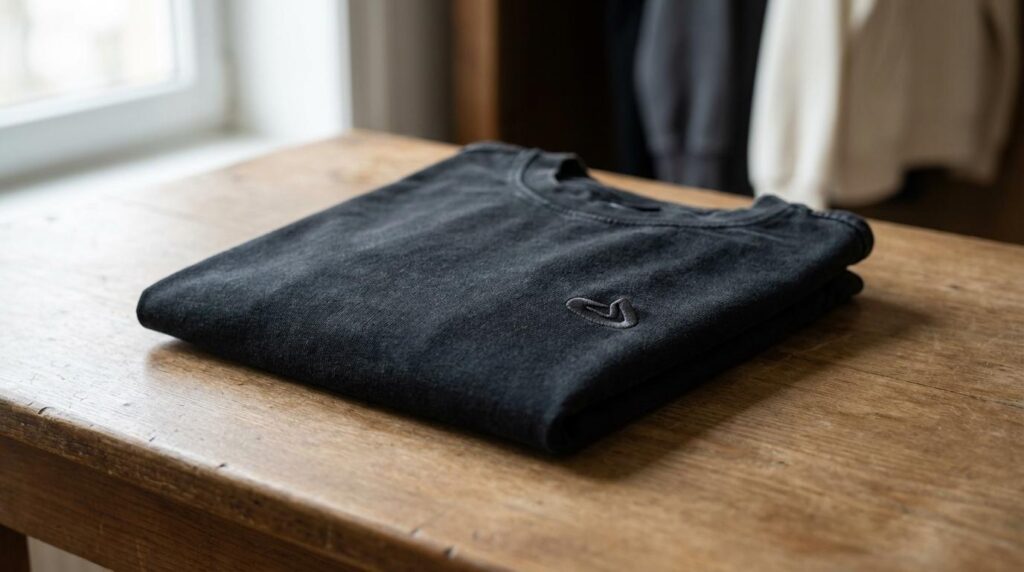
A minimal streetwear wardrobe is not about owning less for the sake of it. It is about choosing better, wearing pieces more often, and letting shape, texture and fit do the work that loud graphics usually try to do.
That is why Stüssy remains such a strong place to start. The brand has deep roots in surf, skate and street culture, yet many of its best pieces are surprisingly restrained. When you strip away the hype and focus on the garments themselves, a clear pattern appears: heavyweight tees, clean fleece, relaxed trousers, and outerwear that feels current without shouting for attention.
Why Stüssy works so well for a pared-back wardrobe
Minimal streetwear can sometimes drift into looking sterile. Plain basics alone do not always feel expressive, and heavily trend-led pieces can date quickly. Stüssy sits in a useful middle ground. The cuts have character. The fabrics often have a washed or pigment-dyed finish. Even the simplest item carries enough identity to feel intentional.
That balance matters. A minimal wardrobe should still have energy, and Stüssy pieces often bring it through proportion rather than print. A slightly boxy tee, a roomy hoodie, or a ripstop cargo in a clean colour can change the whole feel of an outfit without making it busy.
The best minimal pieces never look like they are trying too hard.
After a while, the wardrobe starts to revolve around a few steady principles:
- muted colour palette
- relaxed but tidy fits
- subtle branding
- durable fabrics
- easy layering
- repeat wear value
Start with the T-shirt
If one item defines a minimal streetwear wardrobe, it is the T-shirt. Not the one with the biggest back print or the rarest seasonal graphic, but the one you can wear three times a week with different trousers, jackets and shoes. Stüssy does this well with its basic logo tees and pigment-dyed styles.
A strong option is a heavyweight tee in black, off-white, grey or navy with a small chest logo. The appeal is simple: it acts as a base layer, but it never feels flat. Pigment-dyed finishes are especially useful here because they soften the colour and give the shirt more depth. Black looks slightly washed rather than harsh. White feels more natural than bright. That small shift makes the outfit feel more refined.
Fit matters just as much as colour. A slightly dropped shoulder and a relaxed body create the right silhouette for modern streetwear, though it should still sit cleanly under outerwear. Too slim and the look loses ease. Too oversized and it can feel costume-like. The strongest Stüssy tees usually land in that sweet spot where they work alone in summer and under fleece or jackets when the weather turns.
Add one hoodie and one crewneck
Once the tees are sorted, the next move is fleece. This is where many wardrobes become cluttered, because it is easy to collect too many hoodies with minor differences. A better approach is to choose one dependable hoodie and one clean crewneck sweatshirt, both in neutral tones.
The Basic Stüssy Hoodie is a reliable example of what makes the category work. It is simple, comfortable, and recognisable without becoming the centre of the outfit. A black or charcoal hoodie with restrained branding can sit under a jacket, over a tee, or with matching relaxed trousers on quieter days. It is one of those pieces that earns its place quickly.
A crewneck brings a different kind of structure. Styles like the Stock Link Crew, especially in washed natural or muted shades, give you the softness of fleece with a slightly sharper neckline and cleaner front. That makes it ideal for outfits built around layering, where a collar line or the hem of a tee can add contrast without extra graphics.
If the aim is a wardrobe that feels complete rather than crowded, fleece should cover a few clear jobs:
- Hoodie: casual layering, off-duty wear, cold-weather depth
- Crewneck: cleaner silhouette, easy styling with jackets, smarter casual balance
- Colour choice: black, ash grey, washed navy, stone, muted olive
- Branding level: chest logo or tonal detail, nothing that dominates the garment
Outerwear should bring shape, not noise
Minimal streetwear comes alive when outerwear introduces structure. A good jacket changes everything. It sharpens a tee and trousers, gives a hoodie more presence, and turns simple layers into an outfit that feels thought through.
Stüssy’s cleaner outerwear styles tend to be the best investment here. A matte puffer in black, a coach jacket in a deep neutral, or a plain workwear-inspired zip jacket all fit the brief. The key is to look for pieces where the silhouette leads the design. Boxy fits, clean stitch lines, practical pockets and restrained branding will age far better than jackets built around a loud seasonal idea.
Texture is useful too. Nylon, twill, canvas and ripstop all add depth without adding clutter. That means a monochrome outfit can still feel rich and complete, even when the palette is very controlled.
Trousers set the tone more than most people expect
Many people building a streetwear wardrobe focus first on tops, yet trousers often decide whether the look feels modern or dated. Stüssy’s cleaner trouser options work because they keep the line of the outfit relaxed and practical.
The Military Cargo Pant Ripstop is a good example of how to do cargos without losing restraint. The utility details are there, but they do not overwhelm the design. In black or olive, the pockets blend into the garment rather than shouting. That gives you function and shape without turning the trousers into the main event.
Straight-leg chinos, relaxed denim, or simple sweatpants can also fit the same wardrobe. The point is consistency. If your tees and outerwear are quiet, the trousers should follow the same logic. Clean hems, sturdy fabric and a calm colour palette keep everything connected.
The core pieces worth building around
Once you look at the wardrobe as a system rather than a list of individual garments, a clear set of essentials appears. These are the pieces that do most of the work and keep daily dressing easy.
| Piece | Best version to look for | Why it works | Best colours |
|---|---|---|---|
| T-shirt | Heavyweight or pigment-dyed with small logo | Flexible base layer with character | Black, white, natural, navy |
| Hoodie | Clean pullover with subtle chest branding | Adds comfort and volume without visual clutter | Black, grey, stone |
| Crewneck sweatshirt | Washed fleece in a muted tone | Sharper than a hoodie, ideal for layering | Natural, charcoal, faded olive |
| Jacket | Boxy puffer, coach jacket, or zip workwear style | Gives shape to the whole outfit | Black, olive, dark navy |
| Trousers | Straight-leg cargos, chinos, or relaxed denim | Grounds the look and keeps proportions right | Black, olive, faded blue |
| Accessory | Simple cap, beanie, or canvas bag | Finishes the outfit without overcomplicating it | Black, cream, khaki |
A wardrobe built around these categories rarely feels repetitive because each piece interacts differently with the others. One tee can feel sharper under a coach jacket, softer under fleece, or more directional with roomy cargos.
Accessories should stay quiet
The easiest way to spoil a minimal outfit is to over-style it. Accessories should support the clothing, not compete with it. Stüssy’s simpler add-ons usually get this right. A plain cap with a small embroidered logo, a black beanie, or a natural canvas bag can all finish an outfit while keeping the focus on proportion and texture.
This is where restraint becomes powerful. A single good accessory often does more than three louder ones. The same goes for jewellery and trainers. Keep the shapes clean, the colours controlled, and let one element lead.
That approach gives the wardrobe more longevity.
How to keep it minimal without looking flat
A common mistake is to treat minimal dressing as a lack of detail. The better route is to swap loud detail for subtle detail. Washed fabric, tonal embroidery, ripstop texture, a boxy shoulder, a cropped jacket hem, or the way a tee sits under a sweatshirt can all add interest.
Colour is another useful tool. You do not need a rainbow. You need contrast within a tight range. Black with faded charcoal. Cream with washed olive. Navy with stone. Those combinations feel measured and confident while staying easy to wear.
A few styling habits make a real difference:
- Use tonal layering: pair pieces from the same colour family with slight shifts in shade
- Mix fabric textures: fleece, cotton jersey, ripstop and nylon keep simple outfits from feeling dull
- Watch proportions: if the hoodie is roomy, keep the jacket structured and the trouser leg clean
- Repeat your favourites: style looks stronger when key pieces appear regularly rather than being worn once and forgotten
A smart order for buying
Building this kind of wardrobe does not require a big reset. It works better when you add pieces slowly, starting with the ones that will carry the most outfits. If you are buying with discipline, begin with the garments that solve the most styling problems.
A sensible order looks like this:
- One heavyweight tee in black or off-white
- One clean hoodie in black, grey, or stone
- One pair of straight-leg trousers in black or olive
- One outerwear piece with a strong, simple silhouette
- One crewneck sweatshirt for rotation
- One accessory that stays subtle
This method keeps every purchase useful. It also helps you avoid the trap of buying statement pieces before the wardrobe has a solid base.
Minimal streetwear is often described as simple, but the best version of it is more thoughtful than simple. It asks for discipline, a good eye for fit, and a willingness to repeat the pieces that work. Stüssy stands out here because its strongest garments already carry the right balance of ease, quality and cultural weight. A washed tee, a clean hoodie, a quiet jacket and a pair of solid trousers can take you much further than a rail full of louder options ever will.